

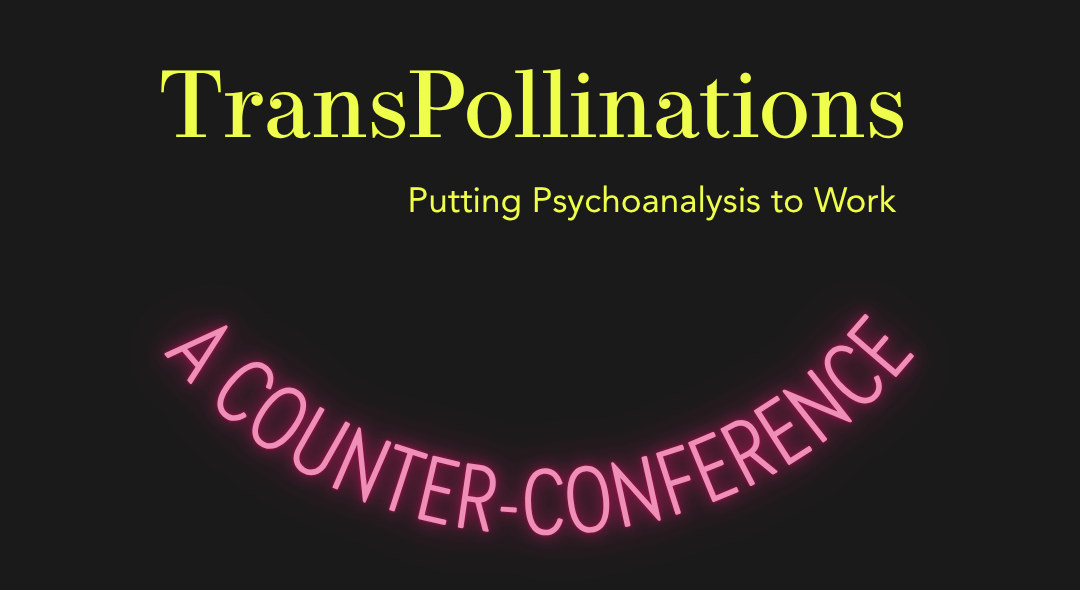
Co-chaired by Ann Pellegrini and Avgi Saketopoulou
About
TransPollinations follows an experimental format. It brings together psychoanalysts and other mental health practitioners, scholars of trans studies and queer studies, activists, medical professionals, artists, and legal scholars, to generate new and better conversations about trans lives. All of our speakers have been selected because we believe they have something important to contribute. But aside from the knowledge and experience everyone brings to this conference, the most important work will happen in real-time in the exchange between us. The event seeks to help clinicians think more broadly and practice in ways that better suit our patients rather than stay loyal to plain old orthodoxies, whether conservative or liberal. But also, and more broadly, TransPollinations seeks to bring into meaningful contact interdisciplinary knowledge arenas that do not usually touch.
Our Counter-Conference will be held on the same weekend as the Therapy First event: Oct. 17 and 18, 2026. We will kick it off with a performance on the evening of Oct. 16 by trans artist Kris Grey.
More than anything, TransPollinations marks an insistence: that we can – and do! – decidedly reject transphobic thinking without having to sacrifice psychoanalytic complexity and suppleness. And without having to oversimplify our understanding of trans and genderqueer lives.
Program
Friday, Oct. 16
(Location has been emailed to registrants. If you hold a valid ticket but have not received an email from us, please check your spam first. If you don’t see anything from P-HOLE, write us at psychoanalyticliberation@gmail.com)
Saturday, Oct. 17
Hemmerdinger Hall, Silver Center, New York University
Sunday, October 18
Location: Hemmerdinger Hall, Silver Center, New York University
Speakers
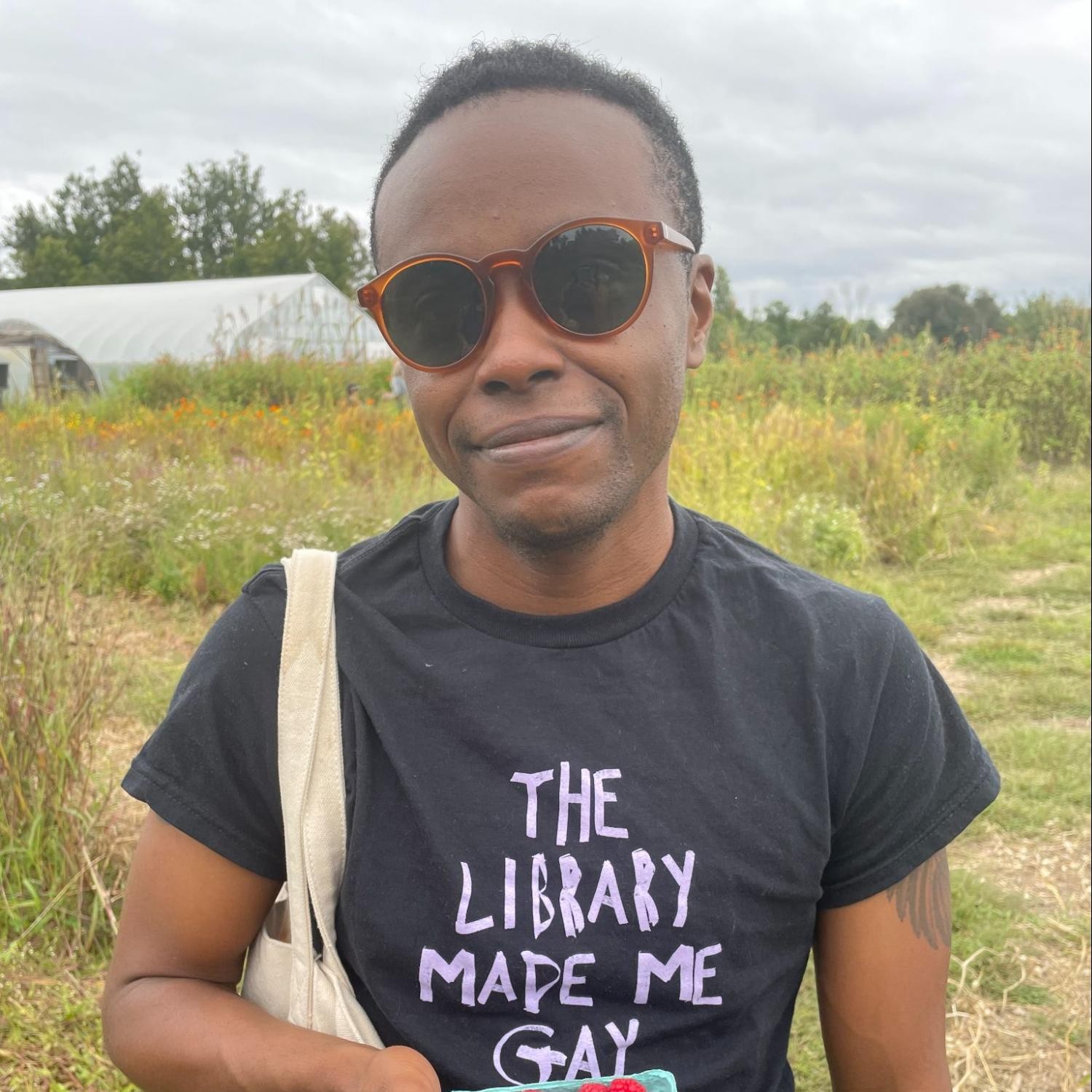
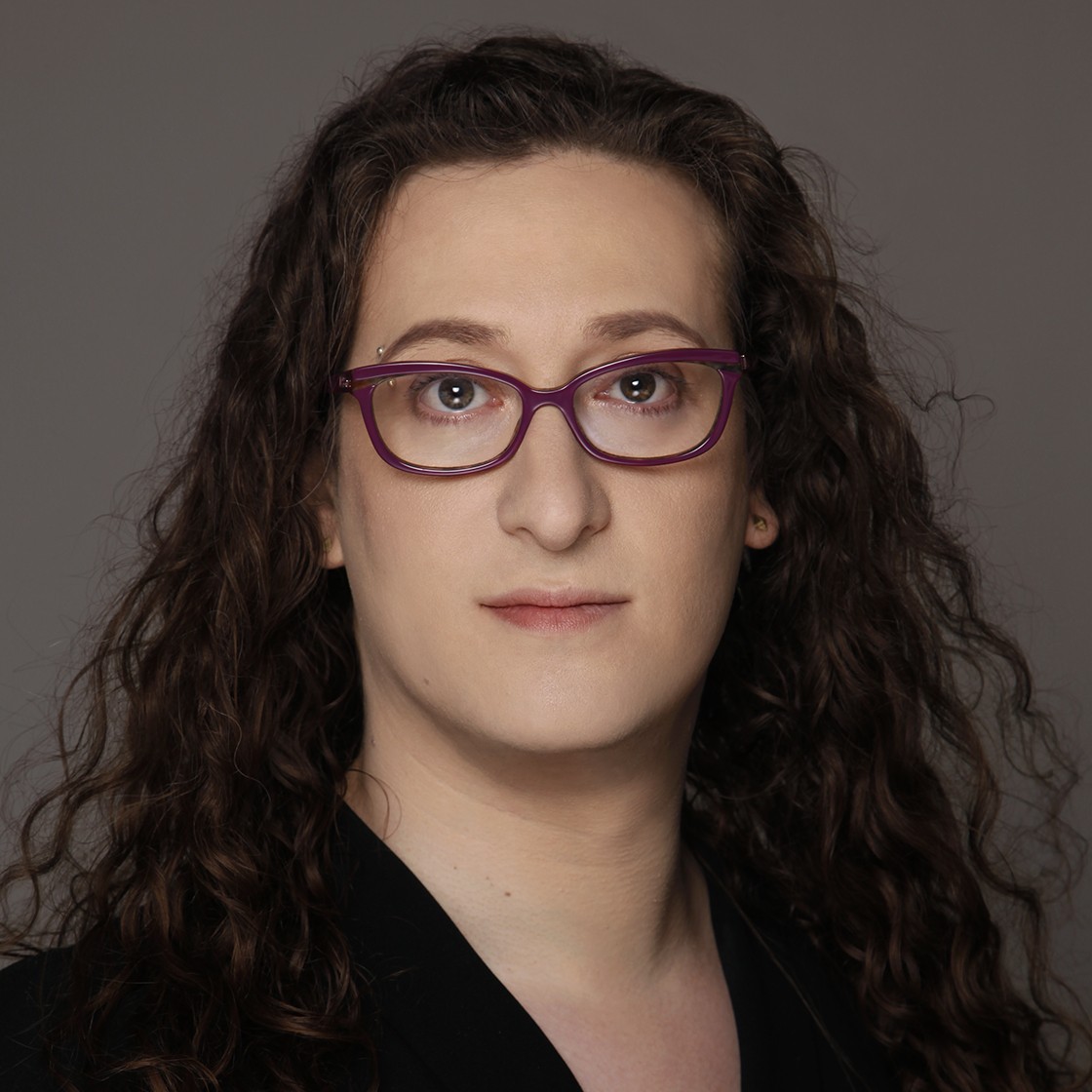
Cameron Awkward-Rich
Clinical Discussant

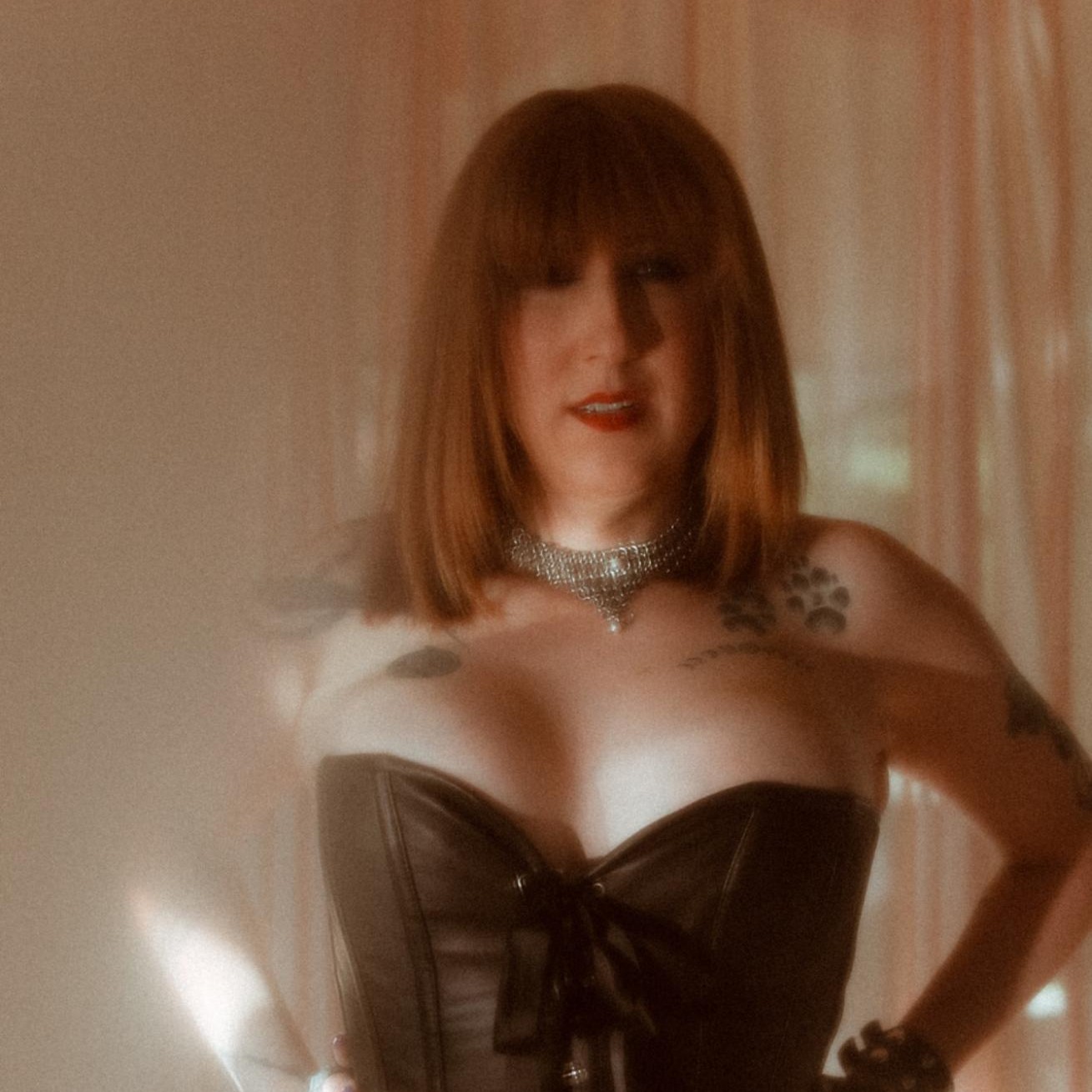
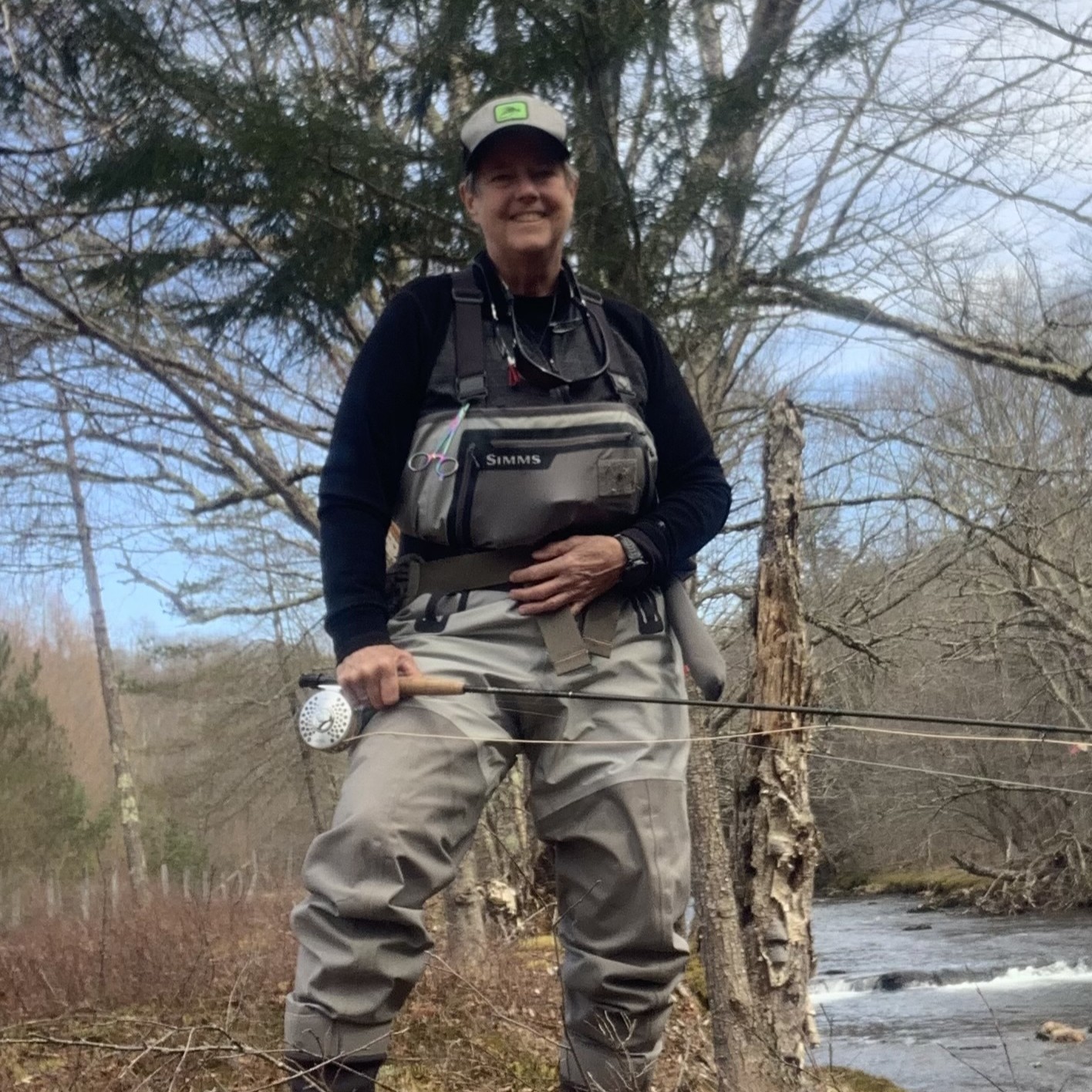
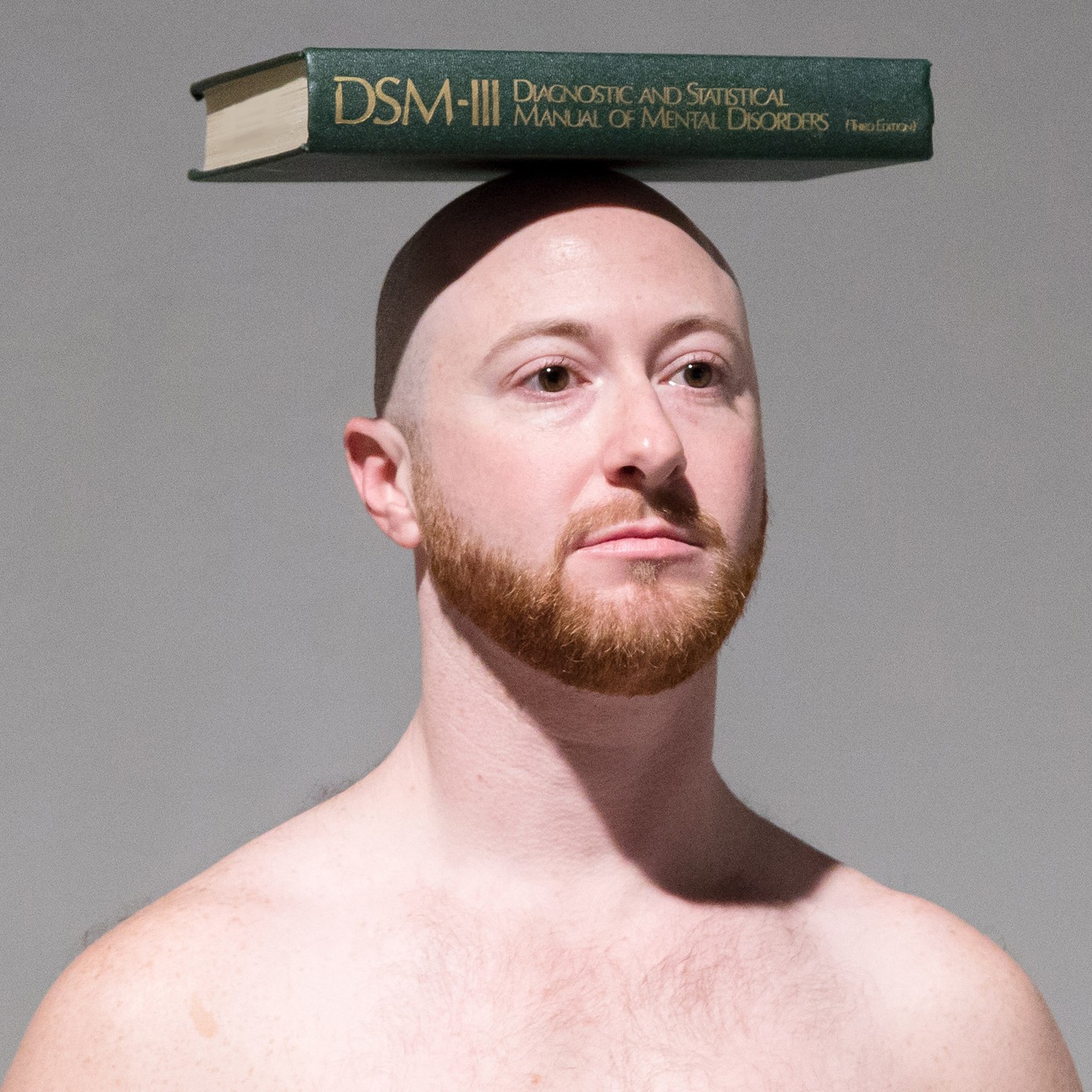
Kris Grey
Homage
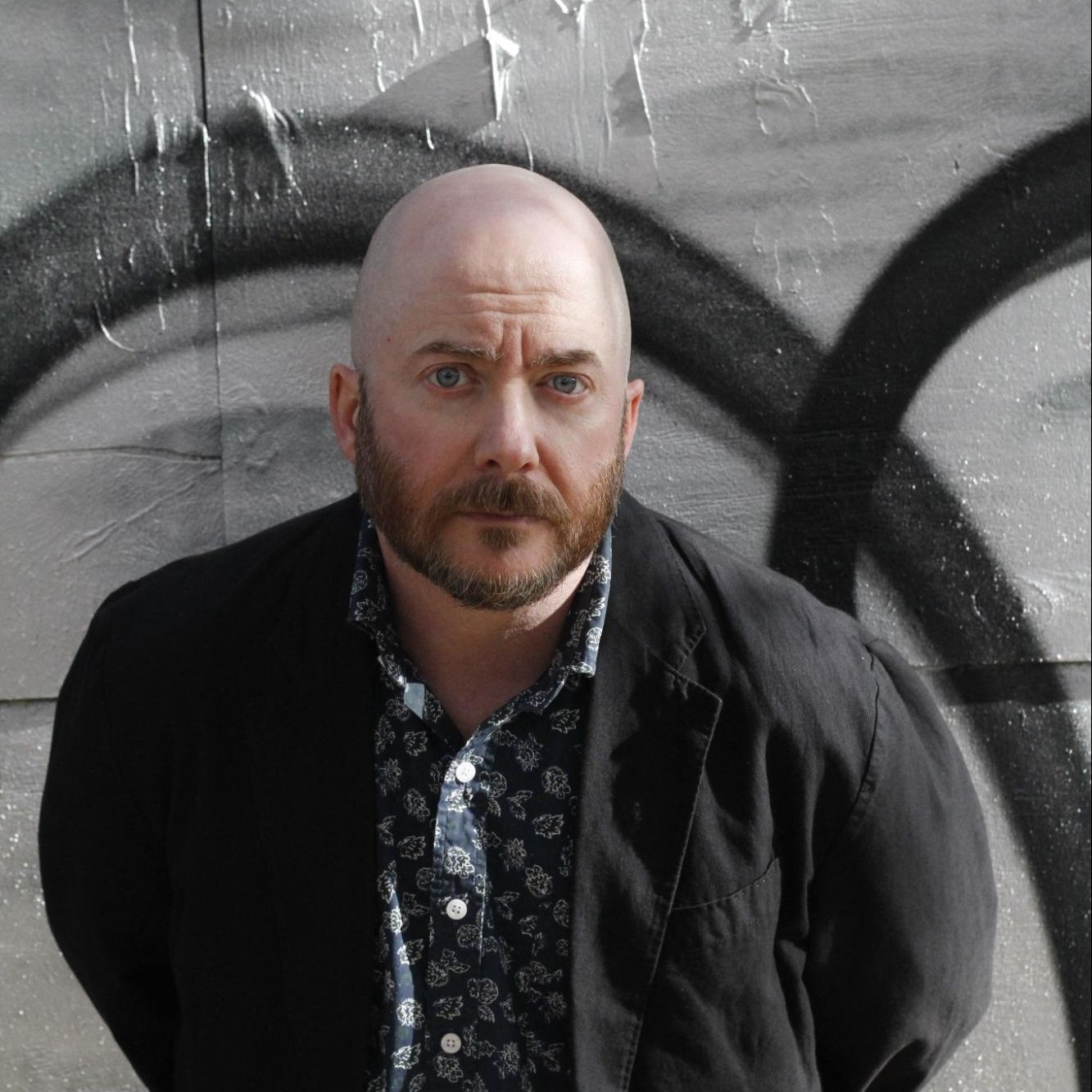
Griffin Hansbury
Working with Trans Negativity
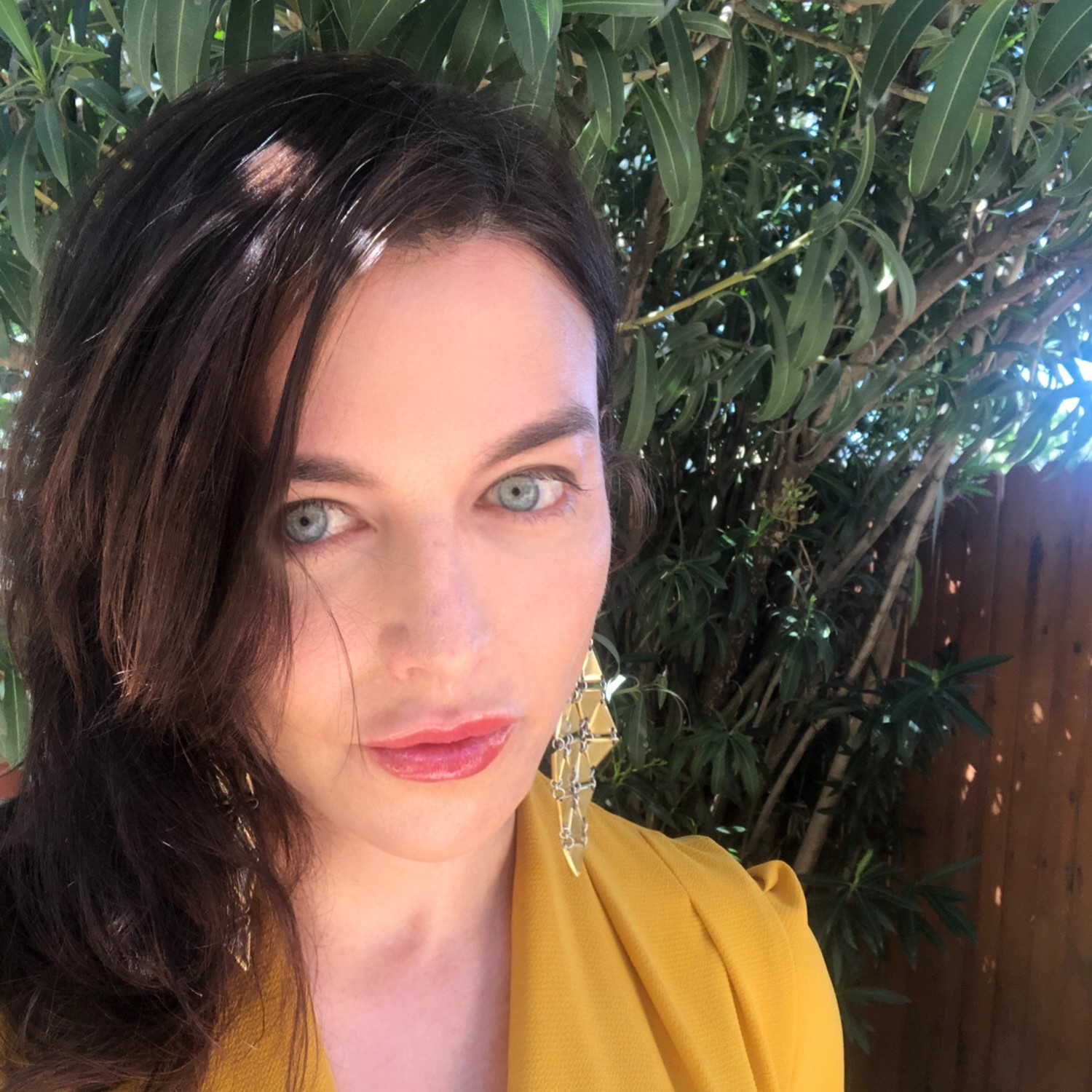
Eva Hayward
Hating to Want, Wanting to Hate
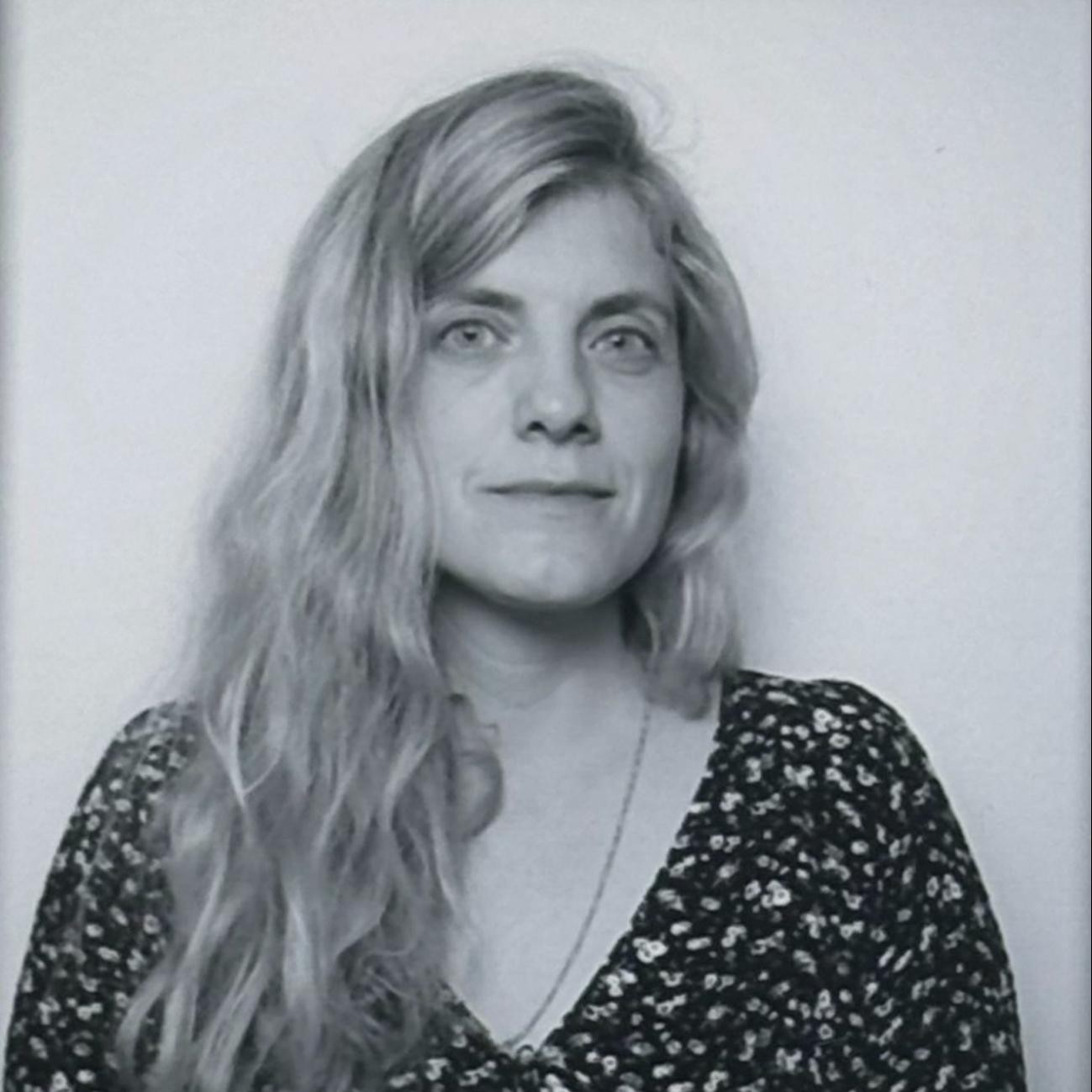
Emma Heaney
Cisness: Contradiction, Antagonism
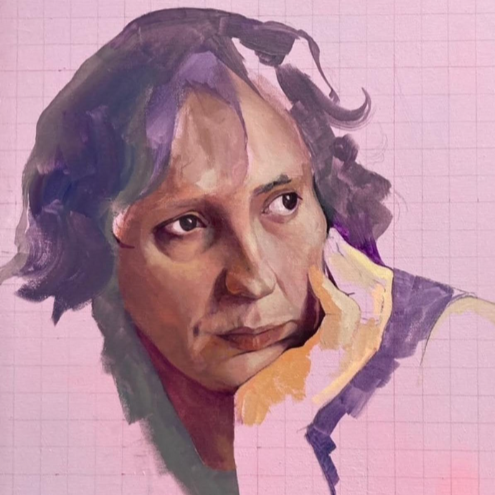
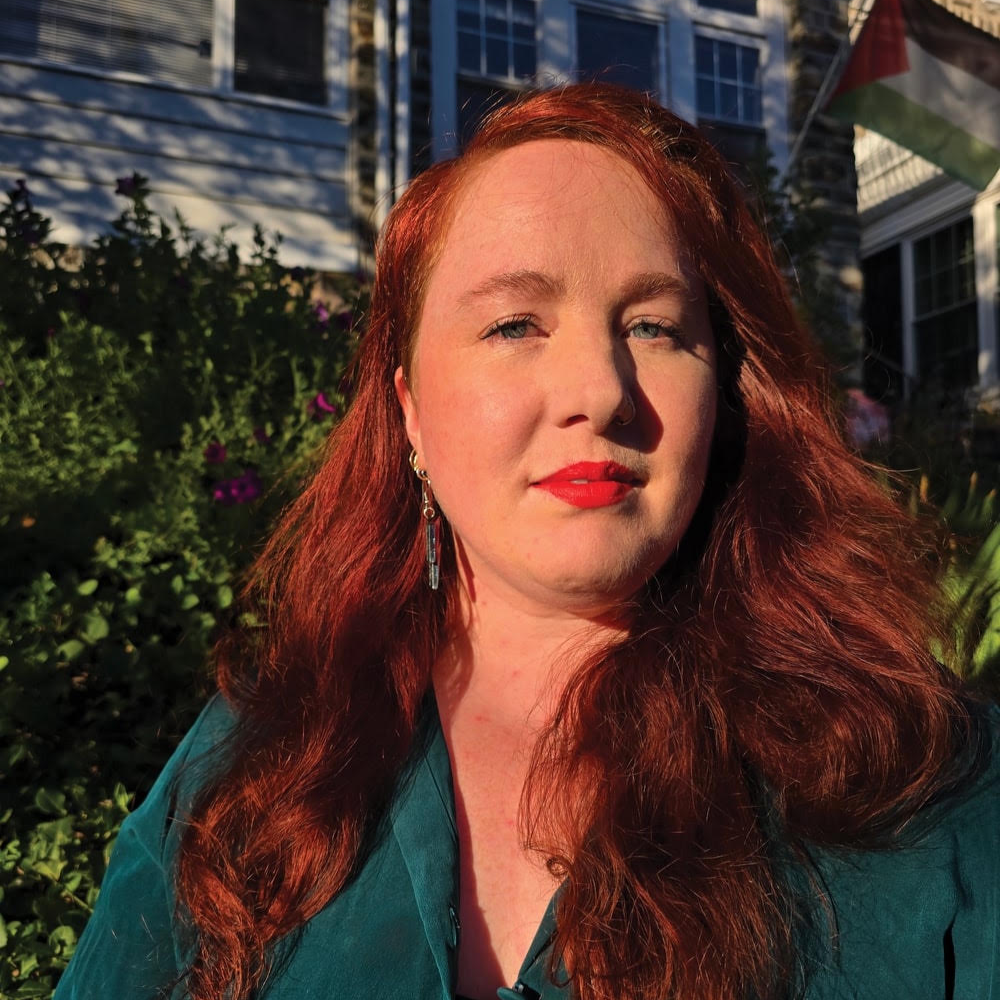
Sophie Lewis
Clinical Discussant
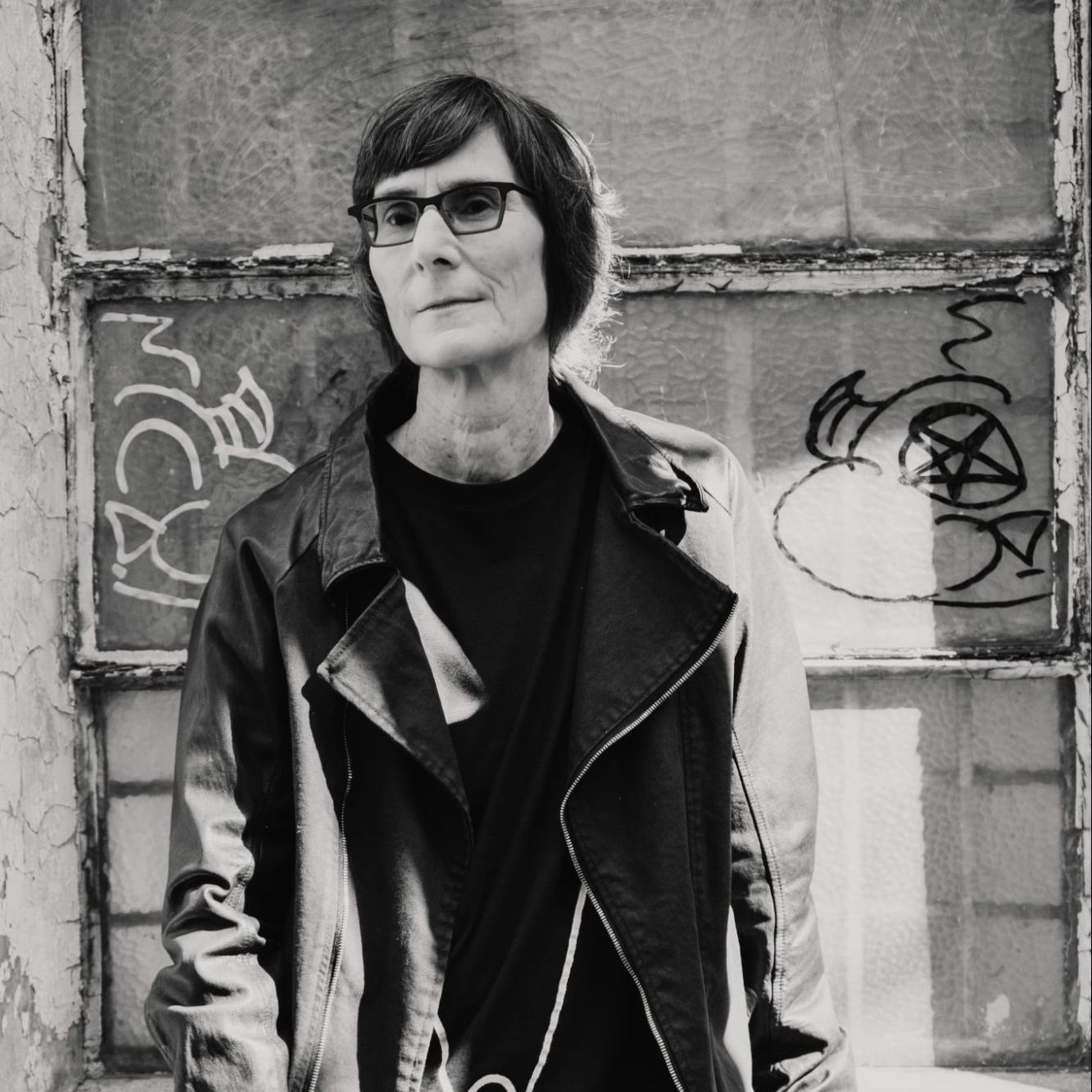
Ann Pellegrini
Performance Discussant
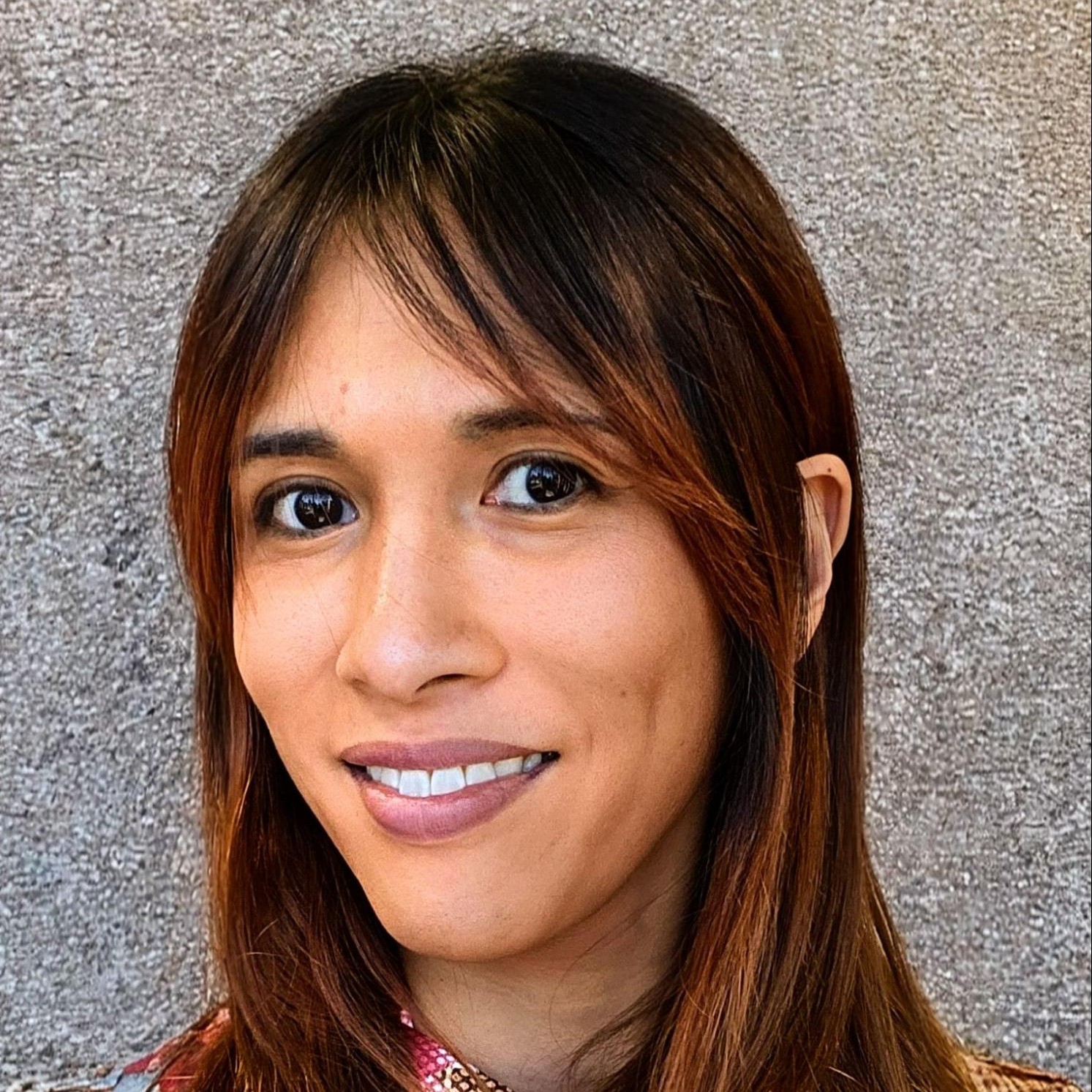
Sien Rivera
Clinical Circle Moderator

Cost & Registration
Please also note that because the conference will be held at an NYU building, it is possible that security will be checking your government-issued ID against our registration list to let you in. For this reason, we are asking that you register with the name that appears on your ID. There will be a separate spot on the registration page to enter your preferred name. A P-HOLE assistant will be at the entrances to the building to help expedite entry and ensure things go smoothly for all.
FAQs
What is a “Counter-Conference”?
Counter-Conferences follow in the spirit of our Counter-Talk Series, which arose out of our frustration at playing whack-a-mole with the politically problematic talks and symposia organized by psychoanalytic institutes and professional organizations. Instead of dedicating our energies to critique alone – a defensive posture in which the terms of our arguments are set by what we are opposing – Counter-Talks and Counter-Conferences proactively offer better and more sophisticated analytic programming in keeping with our values. Counter-Events (whether individual Counter-Talks or multi-day Counter-Conferences) are purposefully held on the same date/time as the event we are countering, to offer fresh, alternative perspectives and generate counter-authority.
TransPollinations: Putting Psychoanalysis to Work is P-HOLE’s first Counter-Conference.
What conference event is TransPollinations countering?
When and where is your Counter-Conference taking place?
We will be meeting on October 17th and 18th, at Hemmerdinger Hall, Silver Center, New York University. There are two entrances to the NYU Silver Center: 100 Washington Square East and 31 Washington Place, New York, NY 10003. For wheelchair access, please use the 100 Washington Square East entrance. We are kicking off our event on Friday evening, October 16th, at 7pm with a performance by trans artist Kris Grey, in keeping with our conviction that art is a crucial site of knowledge production. The location for the performance has been emailed to registrants. If you hold a valid ticket but have not received an email from us, please check your spam first. If you don’t see anything from P-HOLE, write us at psychoanalyticliberation@gmail.com.
You can find our full program here.
Your conference is set to counter an event that is set up as a clinical education module, but not all of your speakers are clinicians. Why is that?
TransPollinations starts from the premise that those of us who work clinically with trans and genderqueer people cannot do so based on the resources provided by our fields alone. For one, psychoanalysis has been, and continues to be, drenched in homotransphobia. And it is covertly committed to adaptation to the world as it is. Consequently, psychoanalysis and other mental health fields urgently need resources outside themselves – and not just with regard to trans people. These fields still have a long way to go when it comes to race/racism and dis/ability, for example. We need the methods, historical anchorings, political attentiveness, and forms of critical imagination provided by non-clinical fields.
For this reason, we have made an unusual decision: we have invited scholars from trans studies and queer studies to comment on clinical material. We do not do this because we believe that these scholars get the final say on clinical work (after all, they are not clinically trained!), but because their comments stand to interrupt the blind spots and bright spots even seasoned clinicians have. It is precisely in the interdisciplinary cross-pollinations we are seeking to cultivate at this Counter-Conference that new possibilities for thinking and working clinically might emerge. Practitioners will still, of course, have to make their own decisions about how the conference experience – what they hear, what they take away – might inflect their future practice.
We firmly believe that, despite its sordid history, psychoanalysis can offer supple tools for thinking about gender and for holding complexity and contradiction in especially powerful ways – and, indeed, in ways that other fields may not be able to. But to live up to this promise, psychoanalysis needs to be pressed to keep thinking beyond itself. Clinical work is not an isolated project existing outside the social world; it is both affected by and shaping of larger conversations about trans life and policy decisions for trans peoples’ access to care, material needs, legal rights, etc. We see this Counter-Conference as part of this critical press for a better and wider psychoanalysis.
What is your stance on trans issues overall?
In a world – and a field – where transphobia is rampant, our stance is unequivocally that trans children and trans adults exist, that they have existed, and that, luckily for us all, will continue to exist. We condemn attempts to prevent and criminalize gender-affirming care and decidedly reject the misuse of the concept of gender exploratory work as a way of indefinitely deferring social and medical transition. Such deferrals are usually more about satisfying the clinician’s anxiety as opposed to attending to the patient’s needs and wishes. We are concerned that such gender exploratory approaches may be adjacent to conversion practices.
TransPollinations will foster open conversation, including difficult exchanges that may make us anxious, question our beliefs, and even destabilize what we (think we) know about gender overall and transness in particular.
But our Counter-Conference will not tolerate anti-trans speech or duplicitous “just-asking-questions” interventions that aim to undermine trans lives. If the conference organizers find your participation to run counter to the goals of the event, you will be asked to leave. It will then be at the discretion of the organizers to refund your registration fee on a pro-rated basis.
What is the “Clinical Circle” at the start of each conference day?
Clinical Circles are real-time thinking spaces for clinical conversations. We invite clinicians and trainees/candidates to join these morning sessions, which will be facilitated by Dr. Sien Rivera, for a set of informal conversations regarding clinical work around gender issues. We hope this will also provide a space for practitioners to talk and free associate together about what is being sparked by the counter-conference’s programming – including the performance and the non-clinical segments. The point is not to come to definitive conclusions as to how to “apply” what has been offered, and certainly not to settle what the “right” way of working with gender complexity is, but, rather, to provide an environment for stimulating your thinking around clinical work. While the Clinical Circles are not a supervisory space, we encourage participants to share anonymized and decontextualized vignettes that help the group to think about the matters at hand, if they so wish.
Why aren’t you live-streaming this conference?
How many people can attend TransPollinations?
The capacity for the conference is 165, and this number includes our speakers and organizers. We expect that the event will sell out, so please register early. Even if there are remaining seats, there will be no same day registrations.
If your payment tier has sold out, please email us to be put on a waiting list. Write us at psychoanalyticliberation@gmail.com with “Waiting List” and your registration tier next to it. You will be placed on a waiting list, and we will contact you should a ticket become available. If you have been placed on the waiting list, please do not proactively contact us to inquire if a ticket has become available. We will keep and honor a first-come, first-served line – and we will contact you ourselves to make a connection with someone who cannot use their ticket if the opportunity arises.
What is your cancellation policy?
But if you have registered and know you are not going to be able to attend, please consider donating your ticket to someone else who will need it (or to consider making your own arrangements with someone else who will purchase it from you). If it turns out that you are not able to use your ticket, we would be happy to put you in touch with people who are hoping to attend and who have been placed on a waiting list. In such a case, please write to psychoanalyticliberation@gmail.com putting “Unused Ticket” in the subject heading and additional information about whether you are donating your ticket or trying to sell it (and if the latter, your payment tier) in the main body of the text. We will then make a connection that you are free to explore from there. Please know that P-HOLE will not get involved in negotiation of fees or clearing up of misunderstandings or disagreements that may arise through such negotiations.
Are you offering CEs?
No.
We pulled together this conference very quickly and have not had the time to apply for CEs. But even if we had had more time, the prospect of offering CEs calls for caution. CEs require that our intents and goals are framed in language that is recognizable to the state and accords with what the state feels is worthwhile professional education for clinicians. At a time that anti-trans sentiment is on the rise, our Counter-Conference is deliberately working to add to and stretch the tools clinicians work with. As such, we felt that our focus was better placed on our program than on bureaucratic processes.
Can I register to attend for one day only?
No. There are no day-passes or partial registration options.
Is there a way for me to attend only the performance?
How did you decide on your fees?
We set our conference fees keeping in mind two things.
First, ability to access the conference. We have wanted our event to be financially accessible to a range of people, including some who can’t pay full or even reduced fees. Each payment tier has a number of tickets attached to it. If your tier has sold out, we are happy to place you on a waiting list (see questions above “How many people can attend TransPollinations?” and “What is your cancellation policy?”).
Secondly, we need to pay our speakers, cover their travel, and pay for the spaces we are using. Conference registration fees cover some of these costs. Even if our conference were to sell out, P-HOLE is still contributing a substantial amount of its reserves to run this conference.
I see that the program includes a queer party on Saturday night. Why a party at a conference? Doesn’t that make the event appear (or be!) non-professional or frivolous?
Our Counter-Conference is more than just a professional event. It is also a queer event and an event for queers (and queer allies) who come together to think. Queer and trans life does not just disrupt normative protocols. It also luxuriates in the pleasures of gathering our bodies together to play, dance, and revel in one another. If this appeals to you, join us!
Is this an accessible event?
Who organized this Counter-Conference?
Offered under P-HOLE’s auspices, TransPollinations: Putting Psychoanalysis to Work has been organized by Dr. Ann Pellegrini and Dr. Avgi Saketopoulou.
We are grateful to The Asian American Center for Psychoanalysis (TAACP) for their organizational support and are honored to have had Albert Sellars LLP provide legal support.
What is a “Counter-Conference”?
Counter-Conferences follow in the spirit of our Counter-Talk Series, which arose out of our frustration at playing whack-a-mole with the politically problematic talks and symposia organized by psychoanalytic institutes and professional organizations. Instead of dedicating our energies to critique alone – a defensive posture in which the terms of our arguments are set by what we are opposing – Counter-Talks and Counter-Conferences proactively offer better and more sophisticated analytic programming in keeping with our values. Counter-Events (whether individual Counter-Talks or multi-day Counter-Conferences) are purposefully held on the same date/time as the event we are countering, to offer fresh, alternative perspectives and generate counter-authority.
TransPollinations: Putting Psychoanalysis to Work is P-HOLE’s first Counter-Conference.
What conference event is TransPollinations countering?
When and where is your Counter-Conference taking place?
We will be meeting on October 17th and 18th, at Hemmerdinger Hall, Silver Center, New York University. There are two entrances to the NYU Silver Center: 100 Washington Square East and 31 Washington Place, New York, NY 10003. For wheelchair access, please use the 100 Washington Square East entrance. We are kicking off our event on Friday evening, October 16th, at 7pm with a performance by trans artist Kris Grey, in keeping with our conviction that art is a crucial site of knowledge production. We will soon announce the location for this performance.
You can find our full program here.
Your conference is set to counter an event that is set up as a clinical education module, but not all of your speakers are clinicians. Why is that?
TransPollinations starts from the premise that those of us who work clinically with trans and genderqueer people cannot do so based on the resources provided by our fields alone. For one, psychoanalysis has been, and continues to be, drenched in homotransphobia. And it is covertly committed to adaptation to the world as it is. Consequently, psychoanalysis and other mental health fields urgently need resources outside themselves – and not just with regard to trans people. These fields still have a long way to go when it comes to race/racism and dis/ability, for example. We need the methods, historical anchorings, political attentiveness, and forms of critical imagination provided by non-clinical fields.
For this reason, we have made an unusual decision: we have invited scholars from trans studies and queer studies to comment on clinical material. We do not do this because we believe that these scholars get the final say on clinical work (after all, they are not clinically trained!), but because their comments stand to interrupt the blind spots and bright spots even seasoned clinicians have. It is precisely in the interdisciplinary cross-pollinations we are seeking to cultivate at this Counter-Conference that new possibilities for thinking and working clinically might emerge. Practitioners will still, of course, have to make their own decisions about how the conference experience – what they hear, what they take away – might inflect their future practice.
We firmly believe that, despite its sordid history, psychoanalysis can offer supple tools for thinking about gender and for holding complexity and contradiction in especially powerful ways – and, indeed, in ways that other fields may not be able to. But to live up to this promise, psychoanalysis needs to be pressed to keep thinking beyond itself. Clinical work is not an isolated project existing outside the social world; it is both affected by and shaping of larger conversations about trans life and policy decisions for trans peoples’ access to care, material needs, legal rights, etc. We see this Counter-Conference as part of this critical press for a better and wider psychoanalysis.
What is your stance on trans issues overall?
In a world – and a field – where transphobia is rampant, our stance is unequivocally that trans children and trans adults exist, that they have existed, and that, luckily for us all, will continue to exist. We condemn attempts to prevent and criminalize gender-affirming care and decidedly reject the misuse of the concept of gender exploratory work as a way of indefinitely deferring social and medical transition. Such deferrals are usually more about satisfying the clinician’s anxiety as opposed to attending to the patient’s needs and wishes. We are concerned that such gender exploratory approaches may be adjacent to conversion practices.
TransPollinations will foster open conversation, including difficult exchanges that may make us anxious, question our beliefs, and even destabilize what we (think we) know about gender overall and transness in particular.
But our Counter-Conference will not tolerate anti-trans speech or duplicitous “just-asking-questions” interventions that aim to undermine trans lives. If the conference organizers find your participation to run counter to the goals of the event, you will be asked to leave. It will then be at the discretion of the organizers to refund your registration fee on a pro-rated basis.
What is the “Clinical Circle” at the start of each conference day?
Clinical Circles are real-time thinking spaces for clinical conversations. We invite clinicians and trainees/candidates to join these morning sessions, which will be facilitated by Dr. Sien Rivera, for a set of informal conversations regarding clinical work around gender issues. We hope this will also provide a space for practitioners to talk and free associate together about what is being sparked by the counter-conference’s programming – including the performance and the non-clinical segments. The point is not to come to definitive conclusions as to how to “apply” what has been offered, and certainly not to settle what the “right” way of working with gender complexity is, but, rather, to provide an environment for stimulating your thinking around clinical work. While the Clinical Circles are not a supervisory space, we encourage participants to share anonymized and decontextualized vignettes that help the group to think about the matters at hand, if they so wish.
How many people can attend TransPollinations?
The capacity for the conference is 165, and this number includes our speakers and organizers. We expect that the event will sell out, so please register early. Even if there are remaining seats, there will be no same day registrations.
If your payment tier has sold out, please email us to be put on a waiting list. Write us at psychoanalyticliberation@gmail.com with “Waiting List” and your registration tier next to it. You will be placed on a waiting list, and we will contact you should a ticket become available. If you have been placed on the waiting list, please do not proactively contact us to inquire if a ticket has become available. We will keep and honor a first-come, first-served line – and we will contact you ourselves to make a connection with someone who cannot use their ticket if the opportunity arises.
What is your cancellation policy?
But if you have registered and know you are not going to be able to attend, please consider donating your ticket to someone else who will need it (or to consider making your own arrangements with someone else who will purchase it from you). If it turns out that you are not able to use your ticket, we would be happy to put you in touch with people who are hoping to attend and who have been placed on a waiting list. In such a case, please write to psychoanalyticliberation@gmail.com putting “Unused Ticket” in the subject heading and additional information about whether you are donating your ticket or trying to sell it (and if the latter, your payment tier) in the main body of the text. We will then make a connection that you are free to explore from there. Please know that P-HOLE will not get involved in negotiation of fees or clearing up of misunderstandings or disagreements that may arise through such negotiations.
Are you offering CEs?
No.
We pulled together this conference very quickly and have not had the time to apply for CEs. But even if we had had more time, the prospect of offering CEs calls for caution. CEs require that our intents and goals are framed in language that is recognizable to the state and accords with what the state feels is worthwhile professional education for clinicians. At a time that anti-trans sentiment is on the rise, our Counter-Conference is deliberately working to add to and stretch the tools clinicians work with. As such, we felt that our focus was better placed on our program than on bureaucratic processes.
Can I register to attend for one day only?
No. There are no day-passes or partial registration options.
Is there a way for me to attend only the performance?
How did you decide on your fees?
We set our conference fees keeping in mind two things.
First, ability to access the conference. We have wanted our event to be financially accessible to a range of people, including some who can’t pay full or even reduced fees. Each payment tier has a number of tickets attached to it. If your tier has sold out, we are happy to place you on a waiting list (see questions above “How many people can attend TransPollinations?” and “What is your cancellation policy?”).
Secondly, we need to pay our speakers, cover their travel, and pay for the spaces we are using. Conference registration fees cover some of these costs. Even if our conference were to sell out, P-HOLE is still contributing a substantial amount of its reserves to run this conference.
I see that the program includes a queer party on Saturday night. Why a party at a conference? Doesn’t that make the event appear (or be!) non-professional or frivolous?
Our Counter-Conference is more than just a professional event. It is also a queer event and an event for queers (and queer allies) who come together to think. Queer and trans life does not just disrupt normative protocols. It also luxuriates in the pleasures of gathering our bodies together to play, dance, and revel in one another. If this appeals to you, join us!
Can I bring a plus one to the queer party?
I am not coming to the conference. Can I still come to the party?
Is this an accessible event?
Who organized this Counter-Conference?
Offered under P-HOLE’s auspices, TransPollinations: Putting Psychoanalysis to Work has been organized by Dr. Ann Pellegrini and Dr. Avgi Saketopoulou.
We are grateful to The Asian American Center for Psychoanalysis (TAACP) for their organizational support and are honored to have had Albert Sellars LLP provide legal support.